
by Tarik Kiley
Since the end of the pandemic, it seems like my dollar just doesn’t buy what it used to. Going to restaurants and the grocery store seems like a significant undertaking, and everything seems to have gone up in price, starting with food. This is problematic because all sectors of the economy seem to be impacted by price increases. I recently looked into homebuying, and there just aren’t really enough houses on the market for around $100k or so anymore.
What makes it worse is that I’m living in a city that many people from elsewhere are moving to. That city is Charlotte, NC. The increased population of transplants to Charlotte makes housing more scarce, as infrastructure investment and housing construction haven’t caught up with demand, driving up home prices.
The current cost of living makes no sense. Not only has the cost of living become ridiculous, but the rise in consumer prices has not been offset by wage increases. I’m still making 1980s and 1990s wages. Living on wage labor is insufficient these days, and the current salary level keeps the American Dream out of reach. Politico.com states that,
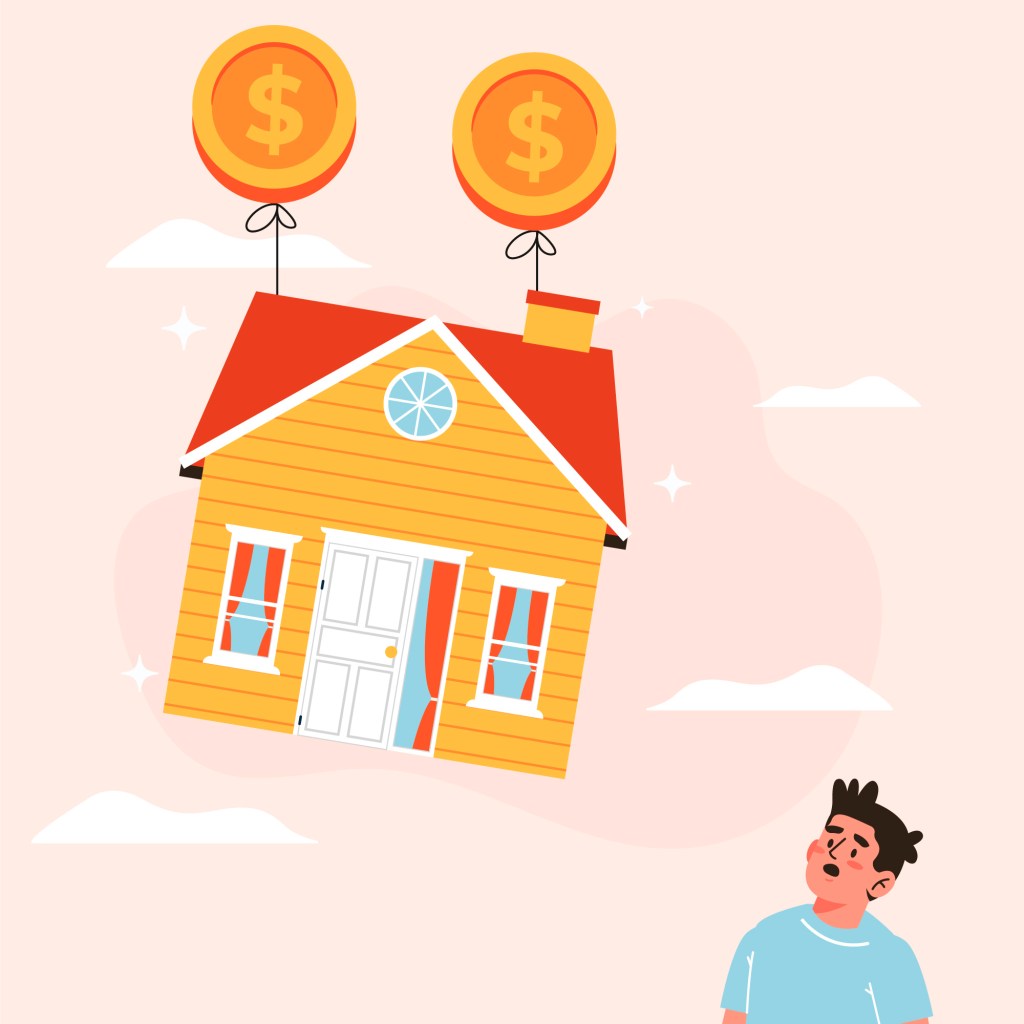
“Home prices have increased 58 percent since 2010 when adjusted for inflation, pricing out millions of potential buyers, according to a 2024 analysis from Harvard University.” The middle class is being priced out of the American Dream.
Tariff costs are being passed on to the consumers, and the current crackdown on Latinos who primarily work in construction, agriculture, and hospitality doesn’t help either. Mr. Trump, as president, seems to be more focused on hurting people from other ethnicities than he is on dealing with inflation and the affordability crisis.
What do we do about the rising inflation that increases the cost of living?
First of all, real incomes must rise. According to imf.org, “In an inflationary environment, unevenly rising prices inevitably reduce the purchasing power of some consumers, and this erosion of real income is the single biggest cost of inflation.” If your money buys you very little, then wages have to go up, or prices have to go down.
Inflation is also concerning for those who live on a fixed income. People receiving social security, for example, suffer because their stipends are less able to keep pace with inflation. This is often somewhat offset by cost of living (COLA) adjustments.
The output of goods and services must also increase as their quality improves. If we can make more goods and services cheaper, faster, and better, then people can buy more high-quality goods at lower prices. For example, when examining the market for computers, they are currently more powerful, practical, and cheaper than in previous decades.
Computers can now do more for the average consumer and cost less, for what they are capable of doing, than in the 1980s, for example. While some might disagree, I believe that this type of productivity will lead to opulence.
This also means that the government needs to be in the business of research and development. Our food prices were so low until recently, partly because the government invested in agribusiness. They encouraged the use of new farming technology and also subsidized the industry to keep the cheap production of food profitable for farmers.
This is all to say that we shouldn’t be in the business of using tariffs or reducing our labor supply. Instead, we should invest in new technology, raise the minimum wage, and pursue other policies that promote prosperity.
Works Cited
https://www.imf.org/en/publications/fandd/issues/series/back-to-basics/inflation
 Words and Movements
Leave a comment